.png)
AI in Transportation & Logistics Starts at the Edge
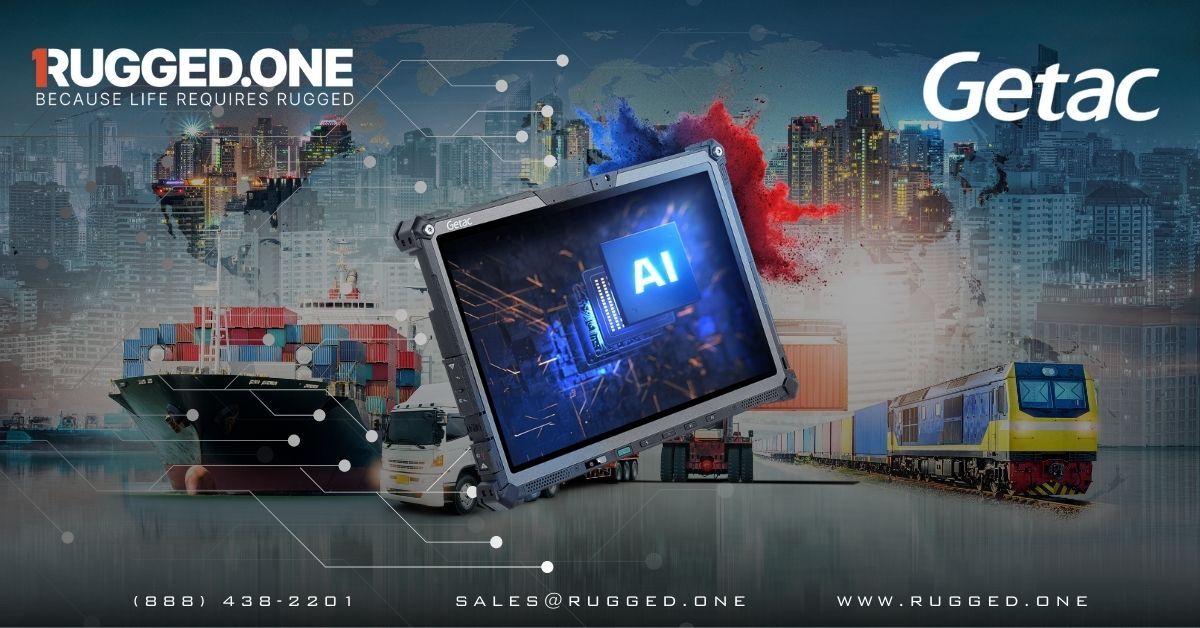
Artificial intelligence is becoming one of the most talked-about technologies in transportation and logistics — but the reality on the ground is more practical than the headlines suggest.
AI isn’t a single application or feature. It’s a growing set of software-driven capabilities that depend on reliable data, fast processing, and consistent connectivity. For teams operating across fleets, facilities, yards, terminals, and infrastructure, AI success increasingly starts at the edge.
How AI Is Showing Up in Real Operations
Today’s AI-driven workflows in transportation and logistics are focused on improving efficiency, accuracy, and responsiveness — often without users even realizing AI is involved.
Real-time data processing
AI-enabled platforms help process routing data, asset status, and system diagnostics locally, allowing teams to make faster decisions without relying solely on cloud connectivity.
AI-assisted image and video analysis
Inspection photos, camera feeds, and drone footage can be reviewed more efficiently using AI-powered software, reducing manual review time and helping teams identify issues sooner.
Speech-to-text and workflow automation
Voice-driven tools are streamlining reporting, documentation, and compliance by converting spoken input into structured data, saving time and reducing errors.
Predictive insights from operational data
As AI analyzes historical and real-time data, it can surface trends, flag anomalies, and support proactive maintenance and planning efforts.
These capabilities are software-driven — but they only work as well as the hardware supporting them.
Why AI Starts With the Right Hardware
AI workloads place higher demands on devices than traditional applications. Local processing power, modern connectivity, and long-term reliability are essential.
That’s why AI adoption in transportation and logistics depends on:
-
Strong on-device performance for data-heavy workloads
-
Support for edge-based computing
-
Reliable connectivity for edge-to-cloud workflows
-
Rugged durability for real-world environments
Without the right hardware foundation, AI tools can become slow, unreliable, or unusable in the field.
Building an AI-Ready Foundation With Getac
Getac designs rugged laptops and tablets built to support modern and future workloads, including AI-enabled software.
Across the Getac lineup, organizations gain:
-
High-performance platforms capable of supporting advanced applications
-
Devices designed for mobility, vehicles, and fixed operations
-
Long lifecycle support to keep pace with evolving software
-
Proven rugged reliability for demanding transportation and logistics environments
Rather than chasing short-term trends, AI-ready hardware allows teams to adopt new tools as they mature — without frequent device refreshes.
Planning for AI Without the Hype
AI adoption doesn’t require an all-or-nothing approach.
Many transportation and logistics teams are:
-
Preparing their hardware for future AI tools
-
Testing AI-assisted workflows in specific areas
-
Building data pipelines that support smarter automation over time
The key is flexibility — choosing technology that works today while staying ready for what’s next.
The Rugged.One Approach
At Rugged.One, we don’t just sell devices — we help organizations plan their technology roadmap. From AI-ready device consultation and configuration to mounting, connectivity, and 30-day demo trials, we make sure teams can evaluate solutions in real-world conditions before committing.
From consultation to installation, we help build technology foundations that last.
Ready to Explore AI-Ready Rugged Technology?
If you’re starting to evaluate how AI fits into your transportation or logistics operation, the Rugged.One team can help you plan the right foundation.